.png)
Age Discrimination in Birmingham, MI: Subtle Bias, Strong Cases
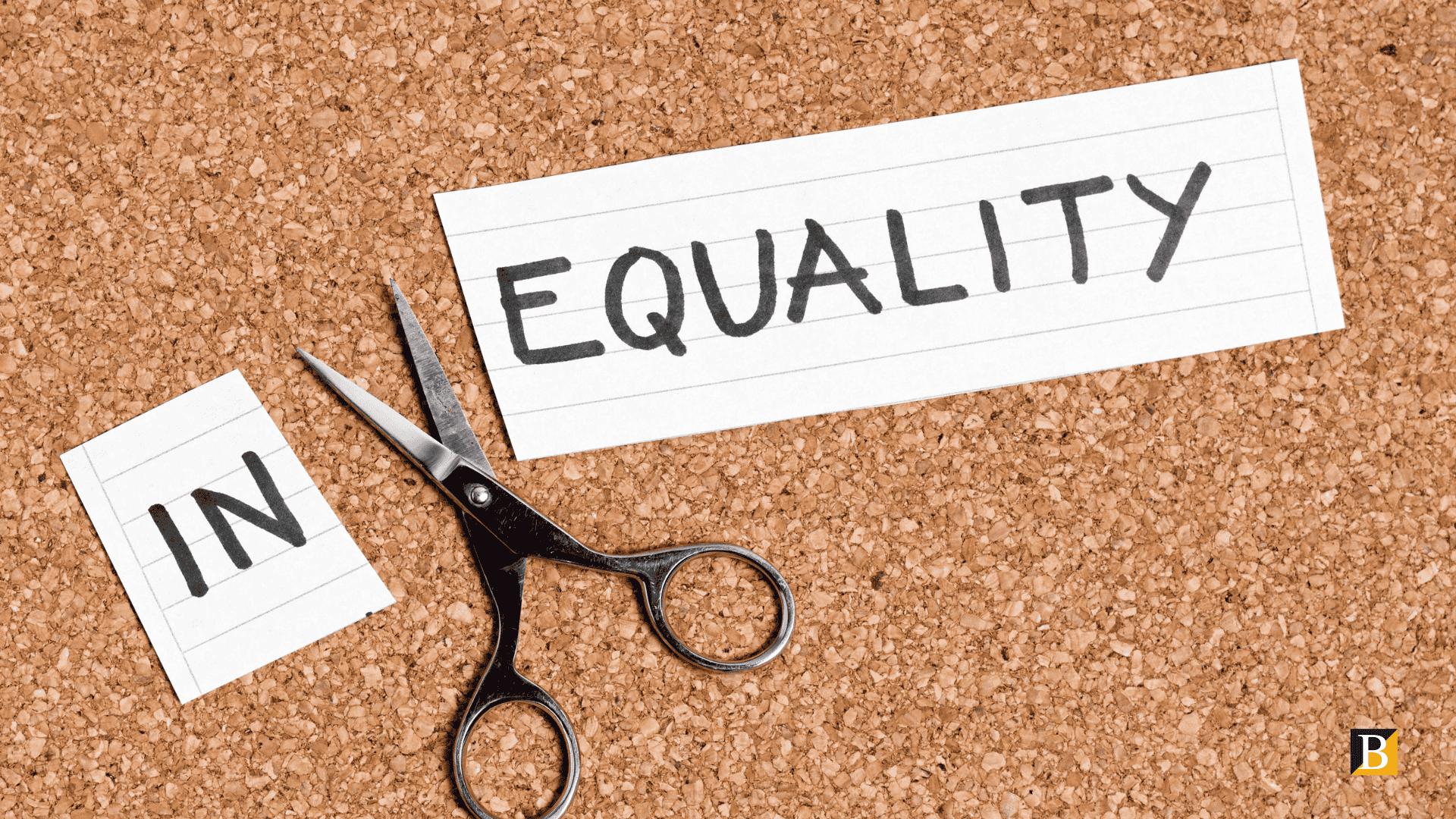
For many professionals, a career doesn’t end with a dramatic firing or a heated argument. It ends quietly. A meeting is scheduled. The tone is polite. Words like “transition,” “restructuring,” or “new direction” are used. And just like that, decades of experience are pushed aside.
Employees who have spent years—or even decades—doing solid work are often stunned when their loyalty and performance suddenly seem to count for very little. Positive reviews turn lukewarm. Expectations shift without explanation. Long-term employees are told they’re no longer the “right fit,” even though nothing about their work has meaningfully changed.
Age discrimination today rarely looks like crude comments about being “too old.” Instead, it shows up in professional language, strategic timing, and selective enforcement of rules. It’s quieter, more calculated, and easier for employers to deny—at least on the surface.
That’s why age discrimination cases are rarely about a single remark. They’re about patterns. A series of decisions. A change in how an employee is treated late in their career. When those patterns line up, subtle bias can form the foundation of a very strong legal case.
Understanding Age Discrimination Under Michigan Law
Age as a Protected Class
Under Michigan law, age is a protected characteristic beginning at 40 years old. Once an employee reaches that age, they are legally protected from discrimination based on age in hiring, firing, compensation, promotions, and other terms of employment.
These protections apply broadly. Full-time and part-time employees are covered, as well as applicants. If age played a role in how someone over 40 was treated at work—or why they were terminated—that conduct may violate Michigan law.
Importantly, you don’t need to prove that age was the only reason for the employer’s decision. If age was a motivating factor, that can be enough to support a claim.
Michigan Law vs. Federal Law
Michigan employees are protected under the Elliott-Larsen Civil Rights Act (ELCRA), which often provides broader and stronger protection than federal law.
Federal age discrimination claims are typically brought under the Age Discrimination in Employment Act (ADEA). While the ADEA does prohibit age discrimination, it has stricter standards and more limitations. For example, federal law often requires proof that age was the but-for cause of the employer’s decision—a higher burden for employees to meet.
Michigan law, by contrast, is more employee-friendly. ELCRA allows age discrimination claims to proceed when age was one of multiple motivating factors. It also offers broader remedies, including emotional distress damages, which are not always available under federal law.
Common Signs of Age Discrimination in Birmingham Workplaces
Sudden Performance Issues Late in a Career
One of the most common red flags is a sudden shift in how an employee’s performance is viewed.
Many age discrimination cases involve employees who:
- Have years of positive or consistent performance reviews
- Have received raises, bonuses, or promotions
- Are trusted with responsibility right up until the end
Then, without warning, the narrative changes. Reviews turn negative. Alleged deficiencies appear for the first time. Documentation is created quickly and close in time to termination.
Replacement by Younger, Less-Experienced Employees
Another common pattern involves replacement.
Employers rarely say, “We want someone younger.” Instead, they may:
- Eliminate a position and quietly create a new role with a different title
- Hire a younger employee to perform substantially the same work
- Justify the change by pointing to a lower salary or different “skill set”
In reality, the work often looks very similar. When a long-term employee is pushed out and replaced by someone younger and cheaper, courts and juries are entitled to ask whether age was part of the decision.
Disproportionate Layoffs or Terminations
Reductions in force are a favorite defense—but numbers matter.
Age discrimination concerns arise when:
- Older workers are disproportionately selected for layoff
- Younger employees are retained despite similar roles or performance
- Younger employees are later rehired or reassigned after the reduction
Layoffs don’t give employers a free pass. If age predicts who gets cut and who stays, the explanation deserves scrutiny.
Subtle Bias That Can Support a Strong Case
Coded Language and Age-Based Stereotypes
Employers often rely on language that sounds neutral but carries age-based assumptions, such as:
- “Old school”
- “Set in your ways”
- “Not adaptable”
- “Lacks energy” or “needs more flexibility”
Comments about technology, speed, or learning ability are especially common. On their own, they may seem harmless. In context—especially when paired with adverse actions—they can reveal how decision-makers really view older employees.
Pressure to Retire or “Plan the Next Chapter”
Another recurring theme is pressure disguised as concern.
This can include:
- Repeated questions about retirement plans
- Suggestions that it might be “time to slow down”
- Conversations about “the next chapter” that aren’t happening with younger employees
Timing matters here. When these discussions occur near benefit milestones, pension eligibility, or health coverage changes—and are followed by termination—they become highly relevant evidence.
Shifting Expectations and Unequal Enforcement
Age bias also shows up when rules suddenly change.
Examples include:
- Policies enforced strictly against older employees but loosely against younger ones
- Errors by younger workers overlooked while similar conduct by older workers is punished
- Expectations raised or altered late in a career without support or training
Discrimination doesn’t require hostility. Unequal treatment—applied quietly and selectively—is often enough.
Evidence That Makes Age Discrimination Cases Strong
Comparator Evidence
One of the strongest forms of proof is comparator evidence—showing that younger employees were treated more favorably under similar circumstances.
This often includes:
- Younger employees with similar roles or responsibilities
- Comparable performance histories
- Different outcomes when issues arise
If younger workers make similar mistakes, miss similar targets, or receive similar complaints—but are not disciplined or terminated—that disparity matters. Employers are allowed to make business decisions, but they are not allowed to apply rules selectively based on age.
Timeline Evidence
Timing can turn circumstantial facts into compelling proof.
Common patterns include:
- Age-related comments followed by heightened scrutiny or discipline
- A sudden change in treatment after discussions about retirement
- Termination shortly after reaching—or approaching—benefits or pension milestones
A clear timeline showing how events unfolded often tells the story better than any single document. When negative actions closely follow age-related discussions, the employer’s stated reason deserves closer examination.
Documentation and Written Records
Written records frequently make or break these cases.
Key documents include:
- Performance reviews that contradict later claims
- Emails reflecting praise, concern, or shifting expectations
- Internal communications discussing restructuring or “succession”
Inconsistent explanations are especially powerful. When an employer gives one reason at termination and a different reason later, credibility becomes an issue. And credibility is everything in discrimination cases.
What to Do If You Suspect Age Discrimination
Preserve Evidence Early
As soon as concerns arise, start preserving:
- Performance reviews and evaluations
- Emails and messages related to your work or treatment
- Notes from meetings where expectations or concerns were discussed
Access to this information can disappear quickly, especially after termination. Preserving it early protects your ability to prove what actually happened.
Avoid Common Mistakes
Some actions can seriously damage otherwise strong claims, including:
- Sending emotional or accusatory emails
- Venting to coworkers in writing
- Posting on social media
- Signing severance agreements or releases without legal review
Once a severance agreement is signed, rights are often permanently waived—even if discrimination occurred.
Timing Matters
Age discrimination claims are subject to statutes of limitation, and evidence degrades over time. Witnesses move on. Memories fade. Documents get lost.
If you work in or around Birmingham and believe your age may be influencing how you’re being treated, waiting rarely helps. Acting early preserves leverage, options, and credibility.
Subtle bias doesn’t disappear on its own. But when it’s documented properly, it can form the foundation of a strong legal case.
Experience Shouldn’t End Your Career
Age discrimination rarely announces itself—but that doesn’t make it legal. In today’s workplaces, long-term employees are often pushed out under the language of “change,” “efficiency,” or “restructuring.” When that happens, the truth usually isn’t found in a single statement. It shows up in patterns, timing, and inconsistencies that only become clear when the details are examined closely.
Batey Law Firm, PLLC represents employees throughout Michigan who are facing exactly this kind of quiet, career-ending bias. Age discrimination cases require an attorney who understands how subtle decisions, coded language, and shifting explanations can expose unlawful conduct under Michigan law. These cases are not about hurt feelings—they are about accountability.
If you work in or around Birmingham and believe your age played a role in how you were treated or terminated, speaking with an experienced employment lawyer early can make a decisive difference. Evidence fades, access disappears, and delay often benefits the employer—not the employee.
Contact Batey Law Firm, PLLC
Batey Law Firm, PLLC
30200 Telegraph Rd., Suite 400
Bingham Farms, MI 48025
📞 Phone: 248-540-6800
📧 Email: sbatey@bateylaw.com
🌐 Website: https://www.bateylaw.com